

 English
  日本語
日本語  Deutsch
-
 View Products
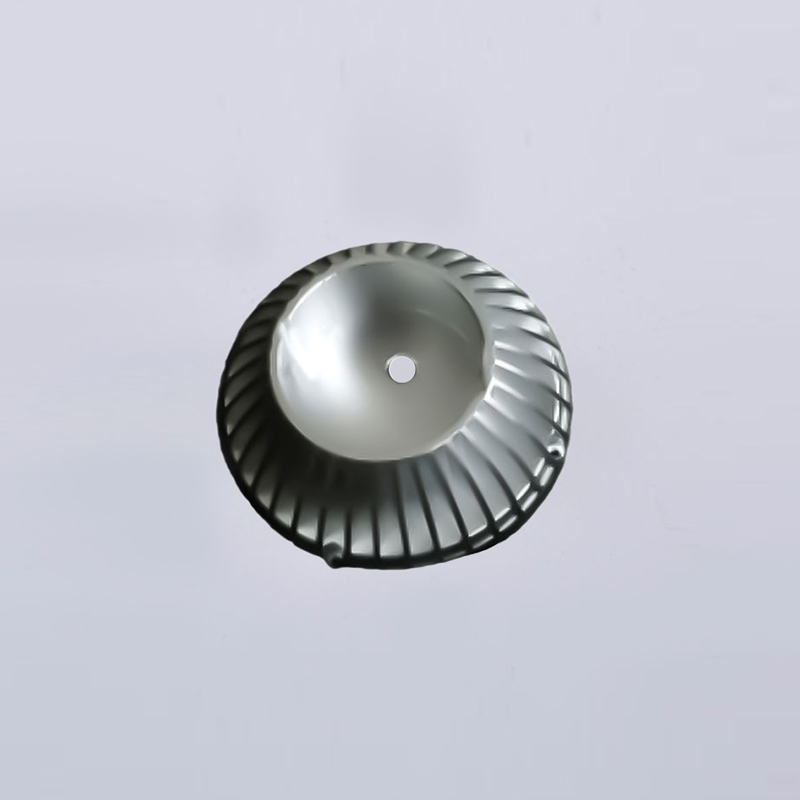
Due to the rapid growth of the traditional automobile market and the new energy vehicle market, our company decided the aluminum auto parts as our major development direction. This year, our machining factory got the IATF16949 certificate. We have obvious advantages in producing the parts such as impact beams, bumpers, structures of body structures, and converter brackets, etc. We are providing a steady supply to Jaguar & Land Rover U.K. Our parts are used in Jaguar XE, XF, F-Pace, and I-Pace. On the other hand, we are developing new products for the new energy vehicle, together with famous companies in China.
-
 View Products
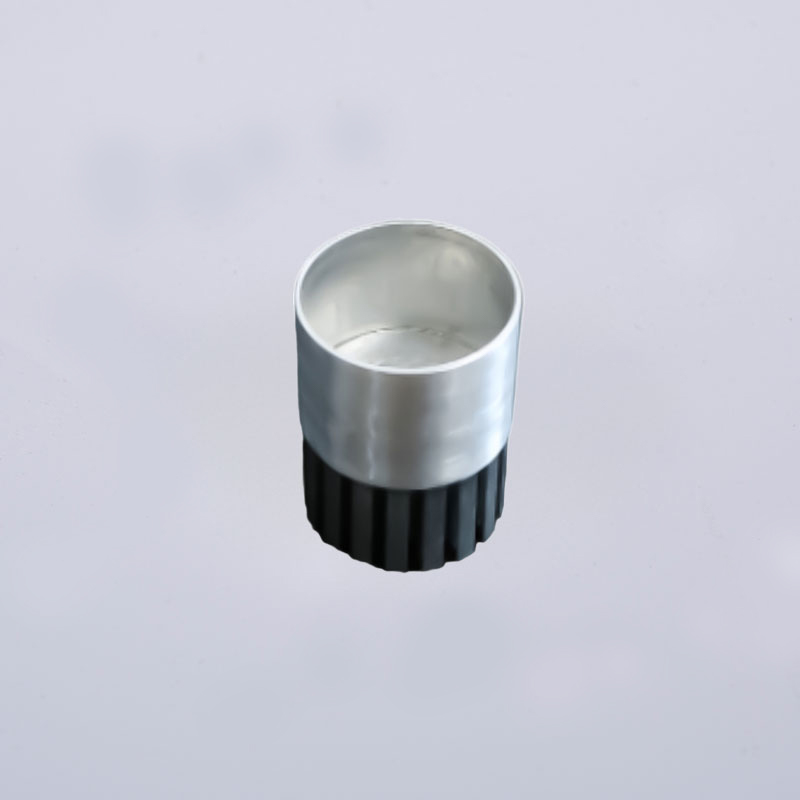
Due to the rapid growth of the traditional automobile market and the new energy vehicle market, our company decided the aluminum auto parts as our major development direction. This year, our machining factory got the IATF16949 certificate. We have obvious advantages in producing the parts such as impact beams, bumpers, structures of body structures, and converter brackets, etc. We are providing a steady supply to Jaguar & Land Rover U.K. Our parts are used in Jaguar XE, XF, F-Pace, and I-Pace. On the other hand, we are developing new products for the new energy vehicle, together with famous companies in China.
-
 View Products
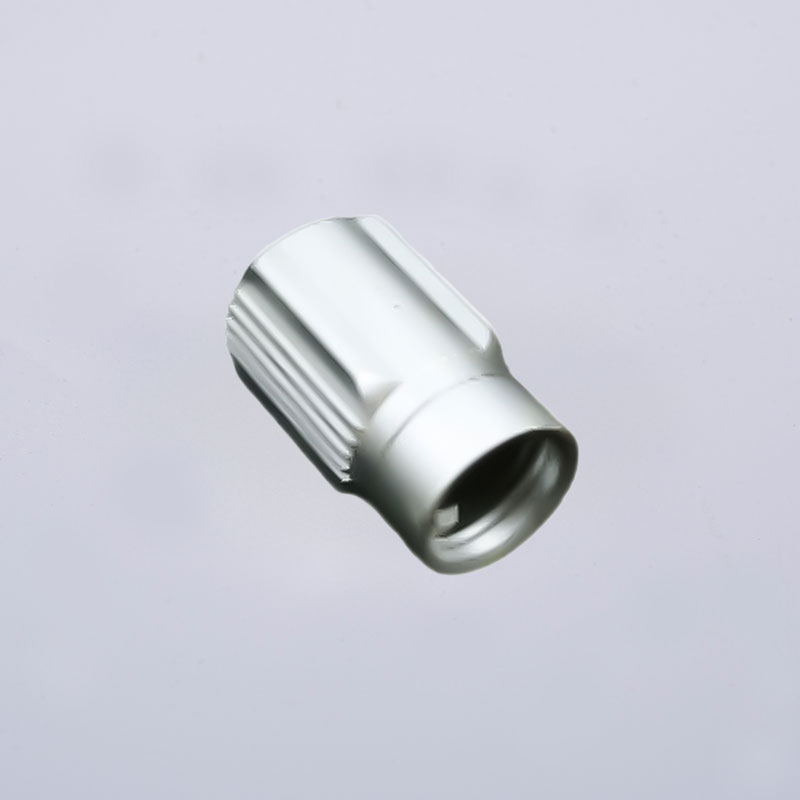
Due to the rapid growth of the traditional automobile market and the new energy vehicle market, our company decided the aluminum auto parts as our major development direction. This year, our machining factory got the IATF16949 certificate. We have obvious advantages in producing the parts such as impact beams, bumpers, structures of body structures, and converter brackets, etc. We are providing a steady supply to Jaguar & Land Rover U.K. Our parts are used in Jaguar XE, XF, F-Pace, and I-Pace. On the other hand, we are developing new products for the new energy vehicle, together with famous companies in China.
-
 View Products
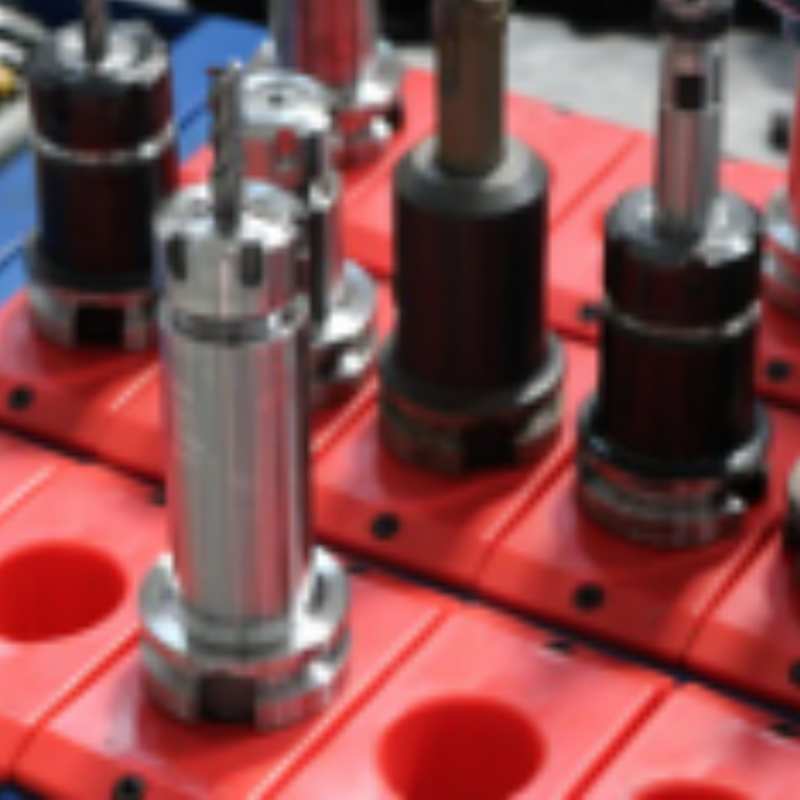
Due to the rapid growth of the traditional automobile market and the new energy vehicle market, our company decided the aluminum auto parts as our major development direction. This year, our machining factory got the IATF16949 certificate. We have obvious advantages in producing the parts such as impact beams, bumpers, structures of body structures, and converter brackets, etc. We are providing a steady supply to Jaguar & Land Rover U.K. Our parts are used in Jaguar XE, XF, F-Pace, and I-Pace. On the other hand, we are developing new products for the new energy vehicle, together with famous companies in China.

Aluminium Cold Forging Parts
Aluminium Cold Forging Parts
The company focuses on aluminum automotive parts, produces anti-collision beams, body structural parts, etc., with IATF16949 certification, stably supplies Jaguar Land Rover for multiple models, and simultaneously cooperates with domestic enterprises to develop new energy vehicle parts.
The surface roughness of the product is low, and the strengthening effect of its deformation also improves the strength of the product.

About Us
Longto Precision Industry (Zhejiang) Co., Ltd.
Langto Precision is
China Aluminium Cold Forging Parts Manufacturers and Custom Aluminium Cold Forging Parts Suppliers, It focuses on the research and development and manufacturing of aluminum alloy products, equipped
with 20 extrusion lines and CNC processing centers, with complete integrated technology. Long-term service
for international customers such as Jaguar Land Rover, products are exported to the UK, Germany, Japan,
and the United States, and are widely used in automotive intelligent driving systems and high-precision
electronics.
-
 Skilled Workers: 100+
 -
 Estimated Output Value: ¥300M+
 -
 Annual Capacity: 30 Million Units

News
All
Company News
Industry News
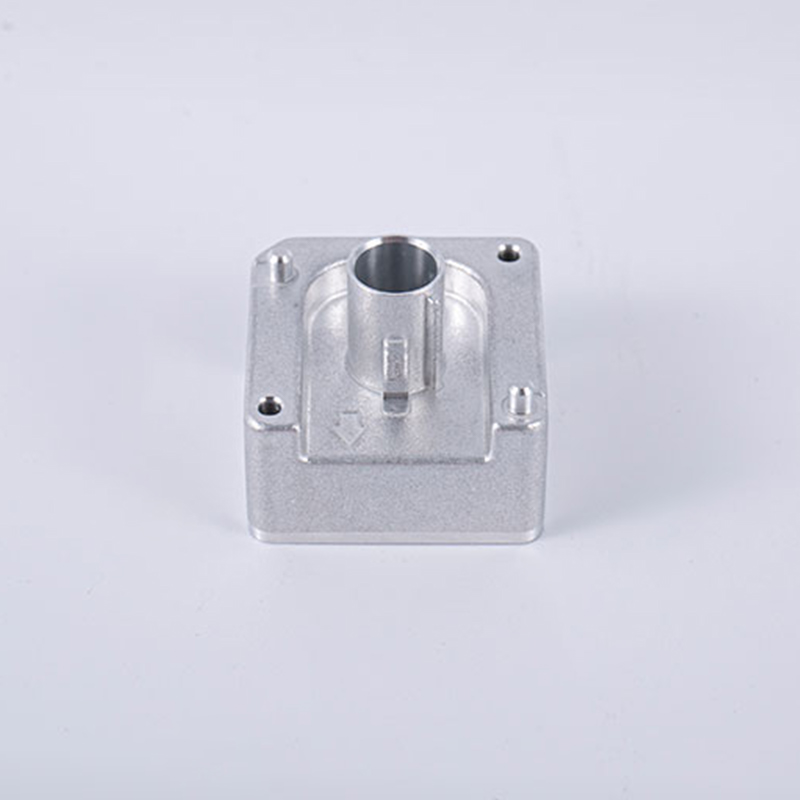
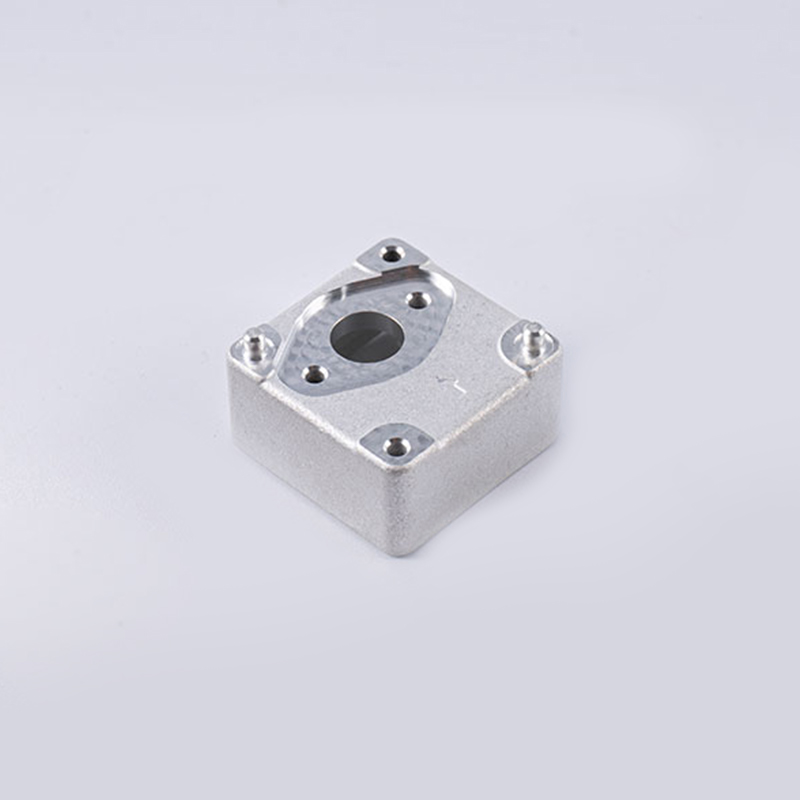
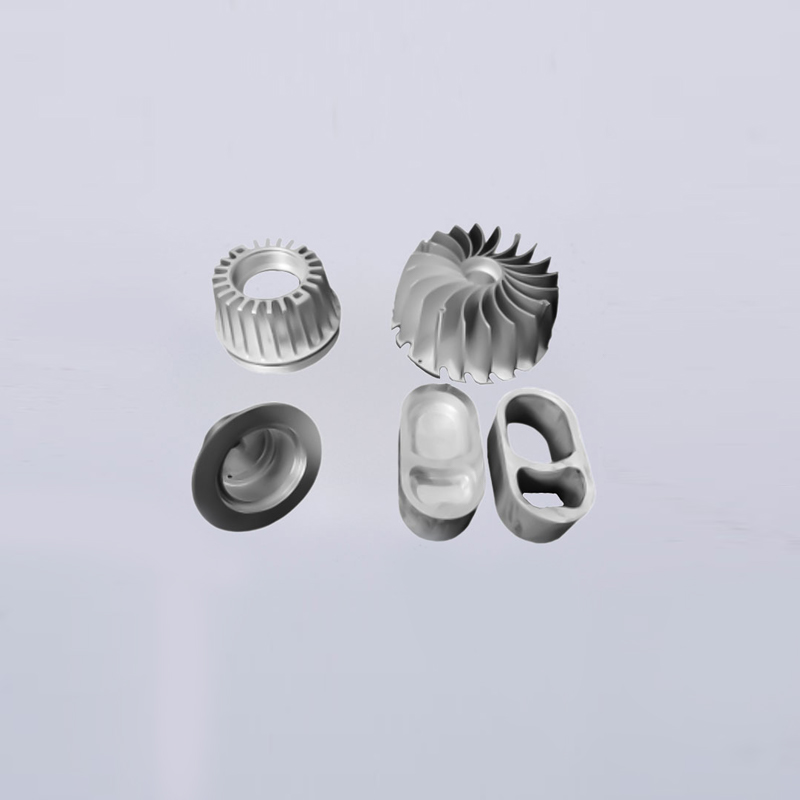
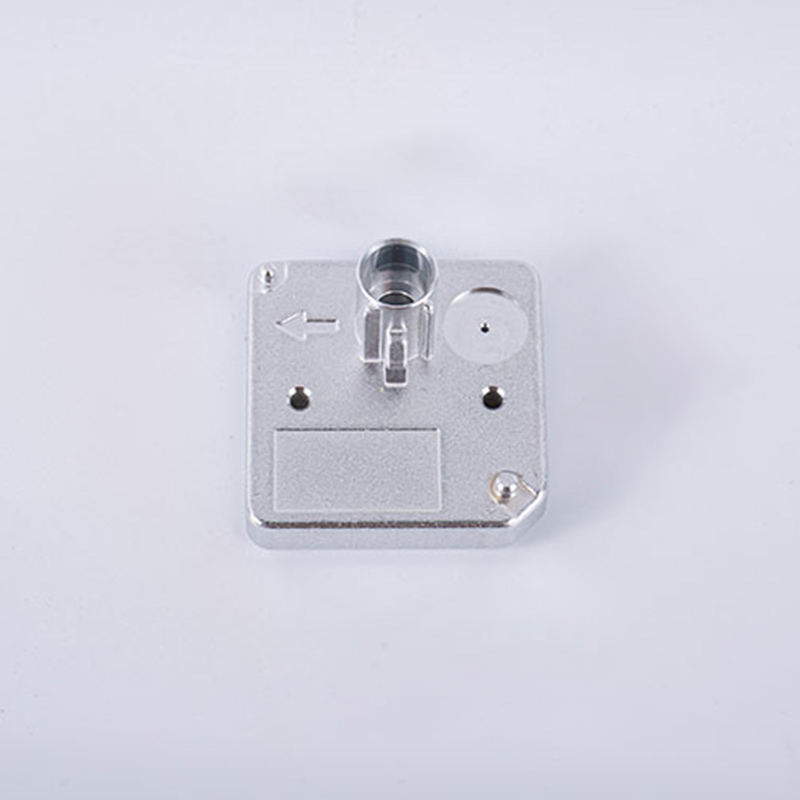
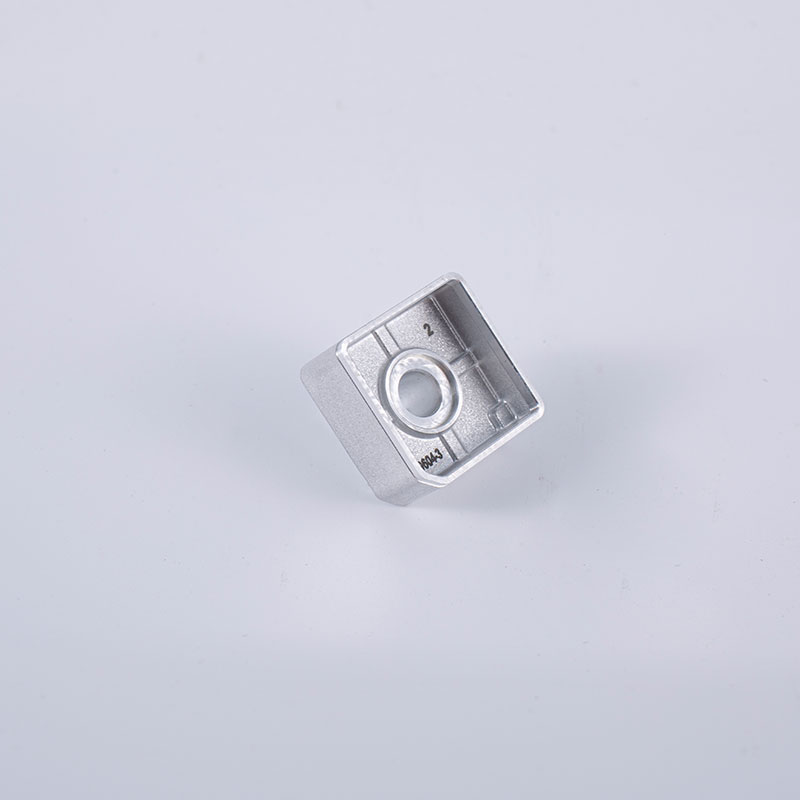
Aluminium Cold Forging Parts Industry knowledge
Understanding the Mechanical Properties of Aluminium Cold Forging Parts in Modern Manufacturing
Introduction
Aluminium cold forging is a manufacturing process where aluminum alloys are shaped at or near room temperature using high-pressure dies. This process enhances mechanical properties without the need for high-temperature treatment, making it ideal for modern industries such as automotive, aerospace, electronics, and precision engineering.
Key Mechanical Properties
Strength
Cold forging increases the tensile strength of aluminum components through work hardening. The repeated deformation during the forging process realigns the metal grains, reducing dislocations and enhancing load-bearing capacity. Compared to cast or machined aluminum parts, cold-forged components often exhibit higher yield strength while maintaining lightweight characteristics.
Ductility
Despite the strengthening, aluminium cold forging parts retain adequate ductility. Proper die design and lubrication are essential to prevent cracking or excessive brittleness. High ductility ensures that components can absorb impact and tolerate slight deformation without failure, which is crucial in automotive and aerospace applications.
Fatigue Resistance
Cold forging improves fatigue resistance due to refined grain structure and residual compressive stresses induced during the process. Components such as engine brackets, transmission housings, and structural frames benefit from this property, extending service life under cyclic loading conditions.
Corrosion Resistance
Aluminium alloys inherently offer excellent corrosion resistance. Cold forging does not compromise this property, and in some cases, the smooth surface finish from forging reduces micro-crevices where corrosion could initiate, further enhancing durability in harsh environments.
Advantages in Modern Manufacturing
Dimensional Precision: Cold forging allows tight tolerances and consistent shapes, reducing the need for secondary machining. Lightweight Construction: Aluminium parts combine high strength-to-weight ratio, critical for fuel efficiency in automotive and aerospace sectors. Cost Efficiency: Reduced material waste and high production speed make cold forging economical for large-scale manufacturing. Sustainability: The process consumes less energy compared to hot forging, aligning with green manufacturing principles.
Typical Applications
Automotive engine and chassis components Aerospace structural parts Electrical connectors and housings Consumer electronics frames and casings Understanding the mechanical properties of aluminium cold forging parts is essential for optimizing their performance in modern manufacturing. Through a combination of strength, ductility, fatigue resistance, and corrosion resistance, these components provide high reliability while supporting lightweight and energy-efficient designs.
Comparing Aluminium Cold Forging Parts with Hot Forged and Machined Alternatives
Introduction
Aluminium cold forging, hot forging, and machining are three widely used methods for producing aluminum components. Each method has unique advantages and limitations depending on material properties, production volume, and application requirements. Cold forging is performed at or near room temperature, enhancing strength through work hardening while maintaining dimensional precision. Hot forging involves high-temperature processing, providing excellent ductility and toughness. Machining offers flexibility for complex shapes but often results in higher material waste and longer production times.
Mechanical Properties Comparison
| Property | Cold Forging | Hot Forging | Machining |
|---|---|---|---|
| Strength | High (due to work hardening) | Moderate to high | Depends on base material |
| Ductility | Moderate | High | High |
| Surface Finish | Excellent | Good | Excellent |
| Dimensional Accuracy | High | Moderate | Very high |
| Production Efficiency | High (mass production) | Moderate | Low to moderate |
| Material Waste | Low | Low | High |
Advantages of Aluminium Cold Forging
- Provides higher tensile strength due to work hardening. - Ensures tight dimensional tolerances and consistent quality. - Produces minimal material waste, making it cost-efficient for large-scale production. - Smooth surface finish often reduces the need for secondary processing. - Suitable for mass production of automotive parts, electronics, and aerospace components.
Company Application: Longto
Longto focuses on the technological development, manufacture, and trade of aluminum alloy products. The company’s extrusion factory has 20 extrusion lines ranging from 600 tons to 6,000 tons, supported by 2 anodizing lines and 3 powder coating lines. The machining workshop is equipped with CNC machines, milling machines, lathes, drilling machines, and punching machines. Longto also benefits from long-term cooperative sub-contract factories for plastic and stainless steel accessories. With this robust production capability, Longto has become an aluminum product production base for many well-known companies in both domestic and overseas markets. Its cold extrusion products have successfully entered the U.K. and U.S. markets, including automotive applications for Jaguar & Land Rover, supplying parts for models such as XE, XF, F-Pace, and I-Pace. Aluminium cold forging parts offer a unique combination of high strength, dimensional precision, and production efficiency, making them an attractive alternative to hot forged and machined components for modern manufacturing. Companies like Longto leverage advanced equipment and strong partnerships to deliver high-quality cold forged parts for automotive and other high-demand industries.

-
Tel Number
+86-0572-2210226Phone Number
+86-13819283977 +86-13655726561 +86-13567228000Address
Building B, Innovation and Entrepreneurship Industrial Park, No. 288, Yansan Road, Huzhou City, Zhejiang Province, ChinaQrCode
-
Quick Links
Home Products About Us Capabilities Industries News Contact Us -
Explore
Aluminum Camera Shell Of Vehicle Aluminium Cold Extrusion Aluminium Cold Forging Parts -
feel free to contact us
Copyright © Longto Precision Industry (Zhejiang) Co., Ltd. All Rights Reserved.
Wholesale Precision Aluminum Housings, Cold Extrusion Parts Factory
