

 English
  日本語
日本語  Deutsch

Industry News
 Dec 25, 2025
 Posted by Administrator
What Are the Key Advantages of Aluminium Cold Extrusion Over Other Metal Forming Processes?
Aluminium cold extrusion is an advanced manufacturing process used to shape aluminium materials by forcing them through a die to create specific cross-sectional profiles. This process, which occurs at room temperature, offers several advantages over traditional metal forming techniques like casting, forging, and hot extrusion.
Introduction to Aluminium Cold Extrusion
Aluminium cold extrusion is a process where a billet of aluminium is placed into a die and compressed to form a particular shape. This method is carried out at temperatures below the material’s recrystallization temperature, usually at room temperature. Unlike hot extrusion, where metal is heated to a high temperature to make it more malleable, cold extrusion uses mechanical force to shape the material.
This process is commonly used in producing long, complex shapes with a consistent cross-section, such as tubes, rods, and profiles. Its popularity has surged due to the material’s cost-effectiveness, precision, and the high quality of the end product.
Advantages of Aluminium Cold Extrusion
Aluminium cold extrusion offers several advantages over other metal forming processes, such as casting, forging, and hot extrusion. Below are the most significant benefits:
Improved Material Properties
One of the key advantages of aluminium cold extrusion is the enhancement of the material’s mechanical properties. Since the process is performed at room temperature, the material retains its original microstructure, which contributes to increased strength and hardness. This results in parts that are more durable and resistant to wear and tear, making cold-extruded aluminium ideal for high-stress applications.
Reduced Material Waste
Cold extrusion is known for its minimal material waste, which makes it an environmentally friendly manufacturing process. Unlike casting, where excess material is often discarded, the cold extrusion process utilizes almost the entire billet of material, leaving very little scrap. This reduction in waste not only lowers material costs but also contributes to sustainability by minimizing waste disposal.
High Precision and Tolerances
Aluminium cold extrusion allows for the creation of parts with precise dimensions and tight tolerances. This is crucial for industries that require high-quality components with minimal variations, such as aerospace, AI, sensor, and electronics. The controlled nature of the cold extrusion process ensures that the final product meets the required specifications, reducing the need for post-processing and improving overall efficiency.
Cost-Effectiveness
Cold extrusion is a highly cost-effective process, especially when producing large quantities of parts. Unlike casting or forging, which often require expensive molds or dies, cold extrusion dies are relatively simple and inexpensive to manufacture. Additionally, the process itself is fast and efficient, which helps to lower production costs in high-volume manufacturing environments.
Faster Production Cycle
Another significant advantage of aluminium cold extrusion is its ability to produce parts quickly. Because the process is conducted at room temperature, there is no need for lengthy heating or cooling periods, which can slow down production in other metal forming techniques. Cold extrusion can achieve high production rates while maintaining consistency, making it ideal for industries that require rapid turnarounds, such as AI, sensor and consumer electronics.
Versatility in Design
Aluminium cold extrusion offers great versatility in terms of design. It can be used to produce a wide variety of shapes, including those with intricate geometries, such as hollow sections, complex profiles, and components with thin walls. This flexibility makes it an attractive choice for manufacturers looking to create custom components without the need for expensive tooling or multiple processing steps.
Comparison with Other Metal Forming Processes
To better understand the advantages of aluminium cold extrusion, let’s compare it with other common metal forming processes.
Casting
In casting, molten metal is poured into a mold to take the shape of the desired component. While casting can be used for large, complex parts, it has several drawbacks. These include higher material waste, lower precision, and the need for additional finishing operations. Moreover, casting often results in parts with lower mechanical properties due to the cooling process and the formation of casting defects.
In contrast, aluminium cold extrusion produces parts with superior mechanical properties and tighter tolerances. The absence of a heating phase also eliminates many of the defects associated with casting, such as porosity.
Forging
Forging involves the application of compressive forces to shape metal, typically at high temperatures. While forging results in strong, durable parts, it is a more energy-intensive process and can be costly, especially for small batches. Additionally, the complexity of the part is limited by the shape of the die.
Aluminium cold extrusion, on the other hand, offers a more energy-efficient solution with lower material costs and the ability to produce more intricate shapes. Cold extrusion also produces less waste and can be performed with simpler dies compared to forging.
Hot Extrusion
Hot extrusion is similar to cold extrusion, but it involves heating the material before it is extruded through a die. While this process allows for the creation of larger parts, it consumes more energy and results in more material waste. Furthermore, hot extrusion can lead to a decrease in the mechanical properties of the material due to the high temperatures involved.
Cold extrusion, on the other hand, eliminates these issues by maintaining the material’s integrity, resulting in better material properties and higher precision. It is also more cost-effective and efficient for producing smaller to medium-sized parts.
Applications of Aluminium Cold Extrusion
Aluminium cold extrusion is used in various industries, such as AI, sensor, aerospace, electronics, and construction. Some common applications include:
- Automotive Parts: Cold-extruded aluminium is used for producing lightweight components like engine parts, transmission housings, and structural frames. These parts benefit from the material’s high strength-to-weight ratio and durability.
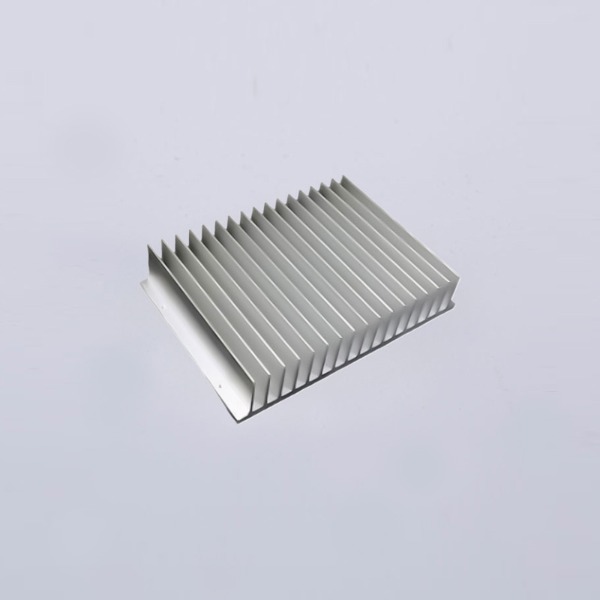
- Electronics: Aluminium cold extrusion is widely used to create heat sinks, connectors, and enclosures for electronic devices, where precision and thermal conductivity are critical.
Conclusion
In conclusion, aluminium cold extrusion offers a range of benefits, including improved material properties, reduced material waste, high precision, and cost-effectiveness. Compared to other metal forming processes like casting, forging, and hot extrusion, cold extrusion stands out for its efficiency and ability to produce parts with superior mechanical properties and tight tolerances.
FAQ
Q1: What is aluminium cold extrusion?
A1: Aluminium cold extrusion is a process where aluminium material is shaped at room temperature by forcing it through a die to form specific cross-sectional profiles.
Q2: What are the main advantages of aluminium cold extrusion?
A2: The main advantages include improved material properties, reduced material waste, high precision, cost-effectiveness, faster production cycles, and versatility in design.
Q3: How does aluminium cold extrusion compare to hot extrusion?
A3: Aluminium cold extrusion is more energy-efficient, produces less material waste, and results in parts with superior mechanical properties compared to hot extrusion, which involves heating the material before shaping.
Q4: Is aluminium cold extrusion suitable for high-volume production?
A5: Yes, aluminium cold extrusion is highly suitable for high-volume production due to its fast production cycle and cost-effectiveness, especially for parts with complex shapes and tight tolerances.

-
Tel Number
+86-0572-2210226Phone Number
+86-13819283977 +86-13655726561 +86-13567228000Address
Building B, Innovation and Entrepreneurship Industrial Park, No. 288, Yansan Road, Huzhou City, Zhejiang Province, ChinaQrCode
-
Quick Links
Home Products About Us Capabilities Industries News Contact Us -
Explore
Aluminum Camera Shell Of Vehicle Aluminium Cold Extrusion Aluminium Cold Forging Parts -
feel free to contact us
