

 English
  日本語
日本語  Deutsch

Industry News
 Dec 18, 2025
 Posted by Administrator
How Does the Lightweight Nature of Aluminum Benefit Vehicle Camera Shells?
Introduction
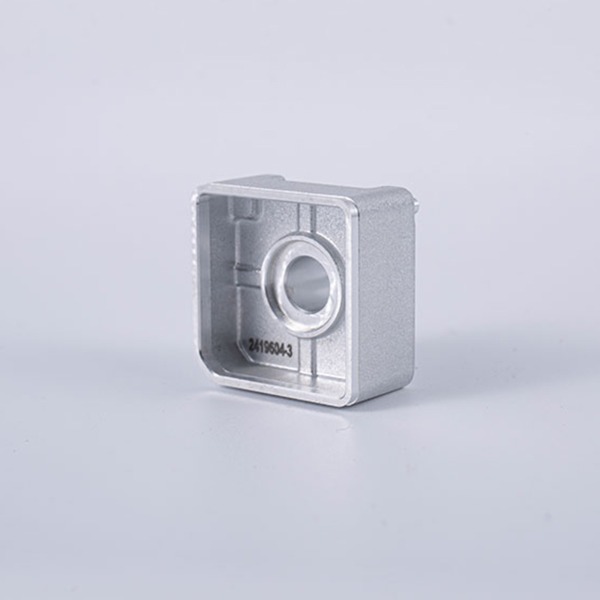
In the modern AI, sensor industry, vehicle cameras play a critical role in enhancing safety, navigation, and overall driving experience. Whether used in parking assist systems, rearview cameras, or advanced driver-assistance systems (ADAS), the durability and functionality of vehicle cameras are vital. One of the key components of these cameras is their housing, or shell, which is typically made from materials designed to provide protection while maintaining functionality. Among various materials, aluminum has emerged as a preferred option for the camera shells of vehicles due to its lightweight nature and many other benefits.
The Role of Vehicle Camera Shells
Vehicle cameras serve an array of important functions, such as providing real-time video footage to assist drivers with parking, blind spots, and overall vehicle navigation. The shell or casing of these cameras is designed to protect delicate internal components from external forces like heat, moisture, and physical impact.
The materials used in the construction of camera shells must meet several performance criteria:
- Durability: To protect the camera’s delicate electronics.
- Weight: To minimize the impact on the overall vehicle weight.
- Thermal Conductivity: To dissipate heat and protect sensitive components.
- Corrosion Resistance: To ensure longevity, especially in harsh weather conditions.
Given these requirements, aluminum camera shells have become increasingly popular.
Properties of Aluminum: Lightweight, Durable, and Corrosion-Resistant
Aluminum, with its remarkable combination of strength and lightness, is particularly well-suited for AI, sensor applications. Below are some of the key properties that make aluminum an ideal choice for vehicle camera shells:
Lightweight Nature
One of the standout features of aluminum is its low density compared to other metals. This characteristic plays a crucial role in reducing the overall weight of a vehicle. When used in the camera housing, aluminum helps to minimize additional weight that could impact fuel efficiency and vehicle performance.
High Strength-to-Weight Ratio
Aluminum is lightweight but strong enough to withstand the rigors of daily use. It offers a high strength-to-weight ratio, meaning that aluminum camera shells can provide the necessary protection for sensitive electronics without adding bulk.
Corrosion Resistance
Aluminum is naturally resistant to corrosion. This makes it an ideal material for AI, sensor applications, where exposure to rain, snow, road salt, and varying temperatures is common. The corrosion-resistant properties of aluminum ensure that the camera shell will maintain its integrity over time, even in harsh environmental conditions.
Thermal Conductivity
Aluminum is an excellent conductor of heat, which helps dissipate heat generated by the camera’s internal components. This feature is particularly important in ensuring that the camera system operates optimally without overheating, especially in high-performance vehicles where temperature regulation is critical.
Advantages of Using Aluminum for Vehicle Camera Shells
The use of aluminum in vehicle camera shells offers several advantages, both for vehicle manufacturers and consumers. These benefits are driving the growing adoption of aluminum in this sector.
Improved Fuel Efficiency
The lightweight nature of aluminum directly contributes to improved fuel efficiency. By reducing the overall weight of a vehicle, automakers can achieve better performance and lower fuel consumption. This is especially important as consumers and manufacturers alike seek to meet fuel economy standards and reduce carbon emissions.
Enhanced Durability and Longevity
Aluminum’s resistance to corrosion and its strength ensure that the camera shell remains intact and functional throughout its lifespan. This durability is important for ensuring that the camera continues to perform well over time, even in the face of extreme weather conditions or rough handling.
Reduced Maintenance Costs
Due to aluminum’s corrosion resistance, vehicles equipped with aluminum camera shells are less likely to require costly repairs or replacements. This can lead to long-term savings for vehicle owners, who benefit from a durable and reliable camera system.
Aesthetic Appeal
Aluminum also offers aesthetic benefits, as it can be easily finished to a smooth, high-quality appearance. This contributes to the overall design appeal of the vehicle, ensuring that the camera housing integrates seamlessly with the vehicle’s exterior.
Integration of Aluminum Camera Shells in Modern Vehicles
As the AI, sensor industry continues to innovate and evolve, the integration of advanced technologies like ADAS and autonomous driving systems becomes increasingly important. Vehicle camera systems are at the heart of these technologies, providing critical data for navigation, object detection, and collision avoidance.
Aluminum camera shells offer the ideal solution for housing these systems, as they meet the demands for lightweight, durable, and high-performance materials. In many modern vehicles, the adoption of aluminum in camera shells is seen as part of a broader trend toward reducing weight and improving the efficiency of vehicle components.
Advantages of Aluminum for Vehicle Camera Shells
| Property | Benefit to Vehicle Camera Shells |
|---|---|
| Lightweight | Reduces overall vehicle weight, improving fuel efficiency and performance. |
| Corrosion Resistance | Ensures longevity and reliability, especially in harsh environments. |
| Strength-to-Weight Ratio | Provides necessary protection for internal components without adding bulk. |
| Thermal Conductivity | Helps dissipate heat, ensuring optimal camera function. |
| Aesthetic Appeal | Allows for smooth finishes that complement vehicle design. |
Impact on Vehicle Performance and Consumer Experience
The lightweight and durable nature of aluminum not only enhances vehicle performance but also contributes to an improved consumer experience. Vehicle owners benefit from enhanced camera system reliability, which is crucial for safety features like parking assist, lane-keeping assist, and collision detection.
Additionally, the environmental benefits of using aluminum align with the growing focus on sustainable AI, sensor manufacturing. Aluminum’s recyclability and low environmental impact during production make it a preferred choice for manufacturers seeking to meet eco-friendly standards.
FAQ
1. Why is aluminum used in vehicle camera shells?
Aluminum is lightweight, corrosion-resistant, and offers a high strength-to-weight ratio, making it ideal for protecting vehicle camera components while contributing to overall vehicle performance and fuel efficiency.
2. How does aluminum improve the durability of vehicle camera systems?
Aluminum’s natural resistance to corrosion ensures that the camera shell can withstand exposure to harsh environmental factors, such as moisture, road salt, and temperature variations, without degrading over time.
3. Can aluminum camera shells reduce maintenance costs?
Yes, the corrosion-resistant nature of aluminum reduces the likelihood of damage to the camera shell, lowering the need for frequent repairs or replacements and resulting in cost savings over time.
4. What is the environmental benefit of using aluminum for vehicle camera shells?
Aluminum is highly recyclable, and its production has a lower environmental impact compared to other metals, making it an eco-friendly choice for the AI, sensor industry.
5. How does aluminum help with the thermal regulation of vehicle cameras?
Aluminum’s excellent thermal conductivity allows it to dissipate heat effectively, ensuring that the camera components remain within optimal temperature ranges and function reliably in various conditions.

-
Tel Number
+86-0572-2210226Phone Number
+86-13819283977 +86-13655726561 +86-13567228000Address
Building B, Innovation and Entrepreneurship Industrial Park, No. 288, Yansan Road, Huzhou City, Zhejiang Province, ChinaQrCode
-
Quick Links
Home Products About Us Capabilities Industries News Contact Us -
Explore
Aluminum Camera Shell Of Vehicle Aluminium Cold Extrusion Aluminium Cold Forging Parts -
feel free to contact us
