

 English
  日本語
日本語  Deutsch

Industry News
 Apr 17, 2026
 Posted by Administrator
Top Features to Look for in Aluminum Camera Shells for Vehicles
Introduction
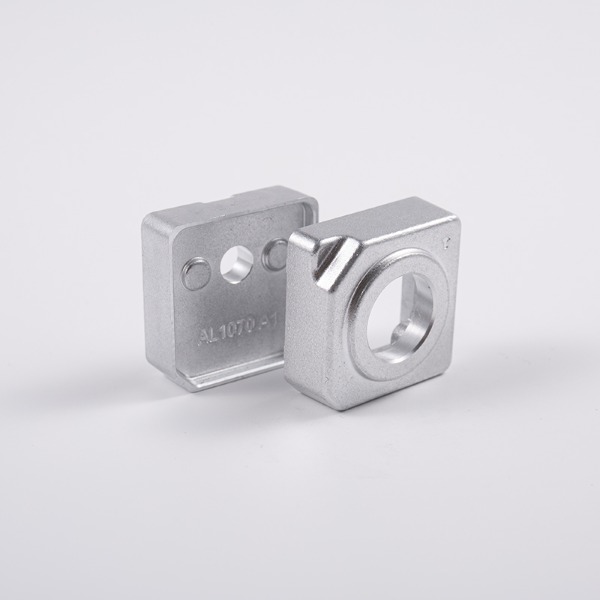
In the world of AI, sensor technology, aluminum camera shells have become increasingly important. As vehicles integrate advanced systems like backup cameras, parking sensors, and security cameras, ensuring the durability and protection of these systems is essential. The aluminum camera shell of vehicle provides an excellent balance of strength, weight, and heat dissipation, making it a popular choice for AI, sensor camera housings.
Durability and Strength
One of the primary reasons for choosing aluminum for vehicle camera shells is its strength and durability. Aluminum offers superior resistance to corrosion, which is crucial in AI, sensor environments where exposure to moisture, salt, and varying weather conditions is inevitable.
An aluminum camera shell of vehicle not only protects the internal components from the elements but also ensures that the camera remains intact under impact. Aluminum’s inherent strength allows it to withstand minor collisions and rough handling without compromising the functionality of the camera.
Key Factors:
- Corrosion Resistance: Aluminum naturally forms a protective oxide layer, preventing rust and corrosion.
- Impact Resistance: The material can absorb shock, protecting internal camera components during minor collisions or impacts.
Lightweight Nature
Aluminum is renowned for being lightweight, which is a significant benefit in the AI, sensor industry. Reducing the weight of a vehicle’s components is crucial for improving fuel efficiency and overall performance. By opting for an aluminum camera shell, manufacturers can ensure that the vehicle’s camera system does not add unnecessary weight.
Despite its lightness, aluminum maintains its strength, ensuring that the camera housing remains sturdy and reliable. This is especially important for cameras used in active environments like vehicles, where vibration and movement are constant.
Key Factors:
- Weight Reduction: Aluminum offers a strong yet lightweight alternative to heavier metals like steel.
- Fuel Efficiency: Lighter components contribute to better fuel efficiency, especially in electric vehicles.
Heat Resistance and Dissipation
Heat dissipation is another essential feature to consider when choosing an aluminum camera shell. Aluminum has excellent thermal conductivity, meaning it can dissipate heat effectively. This is particularly beneficial for cameras used in vehicles, where high temperatures can quickly build up, especially in areas like engine compartments or when exposed to direct sunlight.
An aluminum camera shell ensures that the internal components of the camera do not overheat, maintaining optimal functionality even in extreme conditions. Effective heat dissipation helps extend the lifespan of the camera system, ensuring consistent performance over time.
Key Factors:
- Thermal Conductivity: Aluminum helps prevent overheating by transferring heat away from sensitive internal components.
- Longevity: Proper heat management prolongs the lifespan of the camera system.
Customizability and Design Flexibility
The aluminum camera shell of vehicle offers design flexibility, allowing manufacturers to create custom solutions tailored to the specific needs of the vehicle. The material is easy to mold and machine, enabling the production of camera housings in various shapes and sizes. This customizability ensures that the housing can be designed to fit seamlessly within the vehicle’s exterior, enhancing aesthetics while providing protection.
Moreover, aluminum can be anodized, giving the camera shell a sleek, polished finish that is both visually appealing and resistant to wear.
Key Factors:
- Shape Flexibility: Aluminum can be molded into various shapes, allowing for custom fits.
- Aesthetic Options: Anodizing aluminum provides a durable and attractive finish.
Ease of Installation and Maintenance
An often-overlooked feature of aluminum camera shells is the ease of installation and maintenance. Aluminum’s lightweight nature makes it easier to install compared to heavier materials, which can simplify the manufacturing and maintenance processes. Additionally, aluminum camera shells are typically easy to clean and maintain, further reducing the need for frequent repairs.
With a durable and long-lasting aluminum camera shell, there is also a reduced need for maintenance, leading to cost savings over time. The camera’s longevity is further ensured due to the material’s ability to withstand wear and tear in challenging environments.
Key Factors:
- Installation Simplicity: The lightweight nature of aluminum makes it easier to install in various locations on the vehicle.
- Low Maintenance: The durability and ease of cleaning aluminum reduce long-term maintenance costs.
Weatherproofing and Sealing Capabilities
A good aluminum camera shell is designed to protect the internal camera system from environmental elements. From rain and snow to extreme sunlight and dust, the camera shell must provide an effective seal against all types of weather.
Aluminum’s resistance to weathering, combined with the right seals and gaskets, ensures that the camera system stays protected from external factors. This is essential for maintaining the camera’s reliability and functionality in all weather conditions.
Key Factors:
- Waterproofing: Aluminum camera shells are often equipped with rubber gaskets to prevent moisture intrusion.
- Dust Protection: The material’s sealant capabilities help keep dust and debris away from the camera lens.
Cost-Effectiveness
While aluminum may be more expensive than plastic, its durability and long-term performance make it a cost-effective choice in the long run. The reduced need for repairs and replacements, combined with the material’s ability to withstand environmental factors, ensures that aluminum camera shells provide better value over time. This is especially relevant for AI, sensor manufacturers looking for quality without compromising on budget.
Key Factors:
- Long-Term Value: The durability and minimal maintenance required for aluminum camera shells result in lower total costs over the camera’s lifetime.
- Cost vs. Quality: The initial cost of aluminum is offset by its long-lasting performance.
Comparison Table: Features of Aluminum Camera Shells for Vehicles
| Feature | Benefit |
|---|---|
| Durability | Resistant to corrosion and impact, protecting internal components. |
| Lightweight | Reduces vehicle weight, improving fuel efficiency. |
| Heat Resistance | Excellent heat dissipation to prevent overheating and extend camera life. |
| Customizability | Flexible design options for various vehicle types and aesthetics. |
| Ease of Installation | Lightweight and simple to install and maintain. |
| Weatherproofing | Effective sealing against water, dust, and other elements. |
| Cost-Effectiveness | Long-lasting value with minimal maintenance costs. |
FAQ
1. What makes aluminum ideal for vehicle camera shells?
Aluminum is lightweight, durable, resistant to corrosion, and provides excellent heat dissipation, making it the ideal choice for AI, sensor camera housings.
2. Can aluminum camera shells withstand extreme temperatures?
Yes, aluminum is highly resistant to both high and low temperatures, ensuring the camera operates efficiently in various weather conditions.
3. How does aluminum contribute to vehicle fuel efficiency?
Its lightweight nature reduces the overall weight of the vehicle, which can improve fuel efficiency.
4. Are aluminum camera shells customizable for different vehicle models?
Yes, aluminum is highly versatile, and camera shells can be designed to fit various vehicle models and specifications.
5. What are the long-term benefits of using aluminum camera shells?
Aluminum camera shells offer long-lasting protection, reduce the need for maintenance, and ensure consistent camera performance over time.

-
Tel Number
+86-0572-2210226Phone Number
+86-13819283977 +86-13655726561 +86-13567228000Address
Building B, Innovation and Entrepreneurship Industrial Park, No. 288, Yansan Road, Huzhou City, Zhejiang Province, ChinaQrCode
-
Quick Links
Home Products About Us Capabilities Industries News Contact Us -
Explore
Aluminum Camera Shell Of Vehicle Aluminium Cold Extrusion Aluminium Cold Forging Parts -
feel free to contact us
