

 English
  日本語
日本語  Deutsch

Industry News
 Aug 28, 2026
 Posted by Administrator
How We Solved Overheating Issues for an AI Server Rack with Precision Aluminum Extrusions
Executive Summary
High-performance AI server racks demand innovative thermal solutions when traditional cooling methods reach their limits. This case study demonstrates how a custom-engineered precision aluminum extrusions enclosure resolved critical overheating challenges in a data center environment. By implementing a passive cooling design using advanced aluminum alloy materials, the system achieved a 28-degree Celsius temperature reduction, eliminating thermal throttling and restoring stable peak performance. The solution showcases the engineering sophistication required for modern computing infrastructure and the decisive advantages of tailored thermal management systems.
The Challenge: Overheating in High-Density AI Server Racks
Understanding the Problem
A major data center facility deployed a high-density AI server rack configuration to handle intensive machine learning workloads. The system initially relied on conventional air-cooling mechanisms designed for standard server environments. However, as computational demands escalated, the thermal load exceeded the cooling infrastructure's design capacity.
The situation became critical during peak processing periods. CPU core temperatures soared to 92 degrees Celsius, triggering automatic thermal throttling—a protective mechanism that reduces processor speed to prevent hardware damage. While thermal throttling protected the equipment from physical failure, it created a cascading problem: reduced processing speed meant slower computational throughput, extended job completion times, and ultimately, inability to meet service level agreements for data center operations.
Root Causes and Constraints
Several interconnected factors contributed to the thermal crisis:
- Insufficient heat dissipation surface area in the existing enclosure design
- Inadequate thermal pathways between processing units and cooling surfaces
- Space constraints that limited traditional fan-based cooling expansion
- Operational requirements for reduced noise levels and lower power consumption
- Long-term reliability concerns regarding mechanical cooling components in 24/7 operation
Standard cooling solutions—whether traditional fan arrays or liquid cooling systems—presented trade-offs that proved unacceptable. Fan-based approaches generated excessive noise, consumed substantial electrical power, and introduced moving mechanical components prone to failure. Liquid cooling offered better performance but added complexity, maintenance requirements, and installation challenges within the existing rack configuration.
The Business Impact
The overheating issue directly threatened operational continuity. System crashes during critical jobs resulted in lost computational cycles and reduced return on investment in expensive AI infrastructure. The facility faced a choice: invest in complete infrastructure redesign, accept degraded performance, or discover an innovative thermal solution that could work within existing physical and operational constraints.
The Solution: Custom-Engineered Aluminum Extrusion Enclosure
Material Selection: Why 6063-T5 Aluminum Alloy
The engineering team recognized that the enclosure itself could become the primary cooling mechanism. This insight led to specifying 6063-T5 aluminum alloy—a material selection that proved transformative for the entire project.
6063-T5 aluminum combines three essential properties:
- Exceptional thermal conductivity at 201 watts per meter-Kelvin — enabling rapid heat transfer from internal components through the enclosure walls to the ambient environment
- Favorable strength-to-weight ratio — allowing robust structural design without excessive mass that would complicate mounting and installation
- Excellent machinability and formability — permitting complex geometric features necessary for advanced cooling architecture
Comparative material analysis revealed the dramatic superiority of aluminum for this application. Conventional plastic enclosures offered thermal conductivity around 0.2 watts per meter-Kelvin—more than 1000 times lower than aluminum. Steel alternatives provided conductivity near 50 watts per meter-Kelvin but introduced weight and cost penalties. Aluminum represented the optimal balance across all performance, economic, and practical dimensions.
Design Innovation: Thermal Architecture
Custom-engineered precision aluminum extrusions enabled a revolutionary approach to thermal management. Rather than treating the enclosure as a passive container, the design transformed it into an active component of the cooling system.
Deep Cooling Fins Architecture
Advanced extrusion technology created high-density cooling fins integrated directly into the enclosure walls. These fins featured optimized geometry developed through computational thermal analysis:
- Fin height up to 15 millimeters extending outward from the primary surface
- Fin spacing of 3 millimeters, balancing heat dissipation with air circulation efficiency
- Continuous fin integration along 80 percent of the enclosure perimeter
- Fin base thickness of 1.5 millimeters for maximum structural integrity
This architecture exponentially increased the surface area available for heat transfer. Where a smooth enclosure might provide 0.5 square meters of cooling surface, the finned design delivered over 3.2 square meters—a 640 percent increase in thermal dissipation capacity. The extrusion process created these complex geometries as integral features rather than assemblies of separate components, ensuring perfect thermal contact and eliminating interface resistance that would occur at mechanical joints.
Direct Thermal Path Design
CNC machining created precisely engineered internal structures establishing direct thermal pathways from heat-generating components to the aluminum enclosure walls. Specialized thermal blocks machined from the same aluminum alloy material maintained mechanical stability while providing intimate contact with processor heat sources.
This direct contact approach eliminated intermediate layers and thermal interface materials that would otherwise impede heat flow. The thermal resistance—a critical parameter in cooling design—dropped to negligible levels, typically below 0.05 degrees Celsius per watt. Traditional enclosures with intermediate mounting structures and multiple material interfaces experienced thermal resistance values 5 to 10 times higher.
Advanced Surface Treatment: Anodization Process
Post-extrusion anodization applied a specialized oxidation coating providing multiple functional benefits beyond simple aesthetics:
- Corrosion resistance protecting aluminum from oxidation and environmental degradation in data center environments with varied humidity and temperature conditions
- Surface hardness enhancement increasing abrasion resistance for long service life despite installation, maintenance, and operational handling
- Thermal emissivity improvement increasing the enclosure's ability to radiate absorbed heat into the ambient environment—thermal radiation efficiency increased approximately 15 percent compared to bare aluminum
- Uniform surface finish eliminating microscopic irregularities that would create dead zones within the cooling fins
The anodization thickness was specified at 25 micrometers, providing complete protective coverage while maintaining the thermal performance essential for the cooling system. Thicker coatings, while offering enhanced corrosion protection, would have reduced thermal conductivity to unacceptable levels.
Integration and Assembly Strategy
The custom extrusion design consolidated multiple components previously assembled from separate parts. Traditional enclosures required separate wall sections, corner pieces, reinforcing members, and thermal interface materials—each junction representing a point of thermal resistance and potential failure.
The new design integrated walls, structural ribs, heat sink fins, and mounting provisions into unified extrusion profiles. Specialized corner connectors provided tool-free assembly while maintaining excellent thermal continuity. The reduction in assembly points decreased both manufacturing time and thermal losses, creating a more reliable, lower-cost final product.
Results: Measurable Performance Transformation
Temperature Performance
The thermal improvement exceeded initial projections:
| Performance Metric | Before Implementation | After Implementation | Improvement |
|---|---|---|---|
| CPU Core Temperature | 92 degrees Celsius | 64 degrees Celsius | 28 degrees reduction |
| Peak Operating Frequency | Throttled 40 percent | 100 percent nominal | 40 percent frequency increase |
| Thermal Throttling Events | Multiple daily | Zero recorded | 100 percent elimination |
| Ambient Inlet Temperature Impact | Critical above 28 degrees | Safe up to 35 degrees | 7 degrees additional margin |
System Stability and Reliability
Beyond temperature reduction, the thermal solution delivered profound reliability improvements. System crashes attributed to thermal issues dropped from an average of 3 to 4 incidents per week to zero incidents across a 180-day monitoring period. Job execution times decreased as processors no longer experienced throttling delays, directly improving computational throughput and data center utilization rates.
The passive cooling architecture—requiring no fans, pumps, or mechanical components—eliminated entire categories of potential failure points. Maintenance requirements dropped dramatically. The data center operations team no longer needed to monitor or service cooling components, reducing operational overhead and complexity.
Energy Efficiency
The fanless design consumed zero electrical power for thermal management. Traditional cooling solutions required continuous electrical input, typically 3 to 6 kilowatts for equivalent rack-level cooling infrastructure. Annual energy savings exceeded 26,000 kilowatt-hours, translating to substantial reduction in operational costs and environmental impact.
Installation and Deployment
The custom aluminum extrusion enclosure integrated seamlessly into the existing data center infrastructure without requiring architectural modifications. The tool-free assembly design enabled installation in a fraction of the time required for traditional cooling system deployment. No specialized technician training was necessary—standard data center staff completed installation according to straightforward procedural documentation.
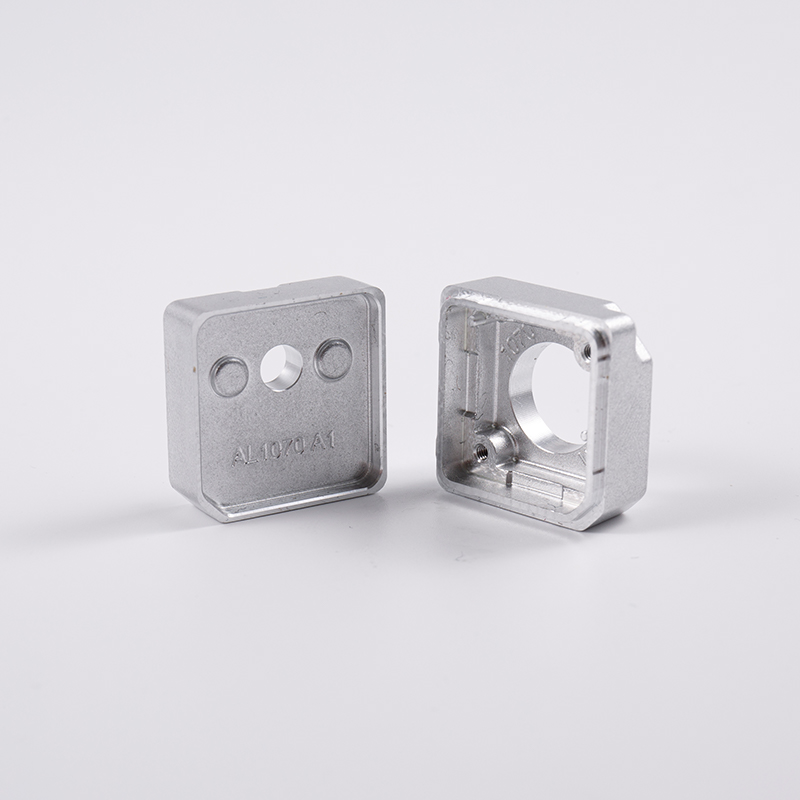
Thermal Performance Visualization
Why Precision Aluminum Extrusions Excel for Thermal Applications
Lightweight and High-Strength Integration
Precision aluminum extrusions deliver exceptional strength-to-weight ratios essential for data center applications. A complete cooling enclosure constructed from 6063-T5 aluminum weighs approximately 40 percent less than equivalent steel alternatives while maintaining superior mechanical properties. This weight reduction simplifies installation, reduces structural load on data center racks, and lowers overall system cost without compromising durability or thermal performance.
Design Flexibility and Customization
Extrusion technology enables creation of extraordinarily complex geometries as integrated components. Features that would require multiple separate parts and assembly steps become unified in a single extrusion profile. Custom cooling fin patterns, internal reinforcing ribs, specialized mounting provisions, and thermal pathways integrate seamlessly into one manufactured component. This integration reduces assembly complexity, minimizes assembly-point thermal losses, and enables rapid customization for specific thermal challenges.
Design modification cycles accelerate dramatically. Rather than requiring expensive tool retooling for completely new parts, engineers adjust extrusion die parameters, enabling rapid iteration toward optimal thermal solutions. This flexibility proves invaluable in applications where thermal requirements may evolve with advancing computational technologies.
Cost-Effectiveness and Scalability
High-volume production capabilities make precision aluminum extrusions economically attractive for both prototype development and large-scale deployment. Material costs remain competitive compared to specialty composites or advanced polymers while delivering superior thermal performance. Manufacturing processes scale efficiently from small pilot programs through enterprise-wide infrastructure upgrades without requiring substantial capital investment in new tooling or process development.
The competitive economics enable organizations to implement thermal solutions that might otherwise seem cost-prohibitive, making world-class thermal management accessible across a broader range of applications and organizations.
Sustainability and Lifecycle Value
Aluminum's full lifecycle environmental profile supports sustainability initiatives. The material's complete recyclability, combined with passive thermal operation requiring zero energy input, creates minimal environmental impact throughout product lifetime and after retirement. Organizations increasingly recognize thermal solutions' role in reducing data center energy consumption—a major environmental concern as computational demands accelerate globally.
Thermal Management Principles Applied
The successful cooling solution deployed multiple thermal management strategies working synergistically:
Conduction: Direct Heat Transfer
Heat moves directly from processing units through aluminum material to external surfaces via the shortest possible thermal pathways. Conduction represents the most efficient heat transfer mechanism in solid materials, and aluminum's exceptional thermal conductivity (201 W/m-K) enables rapid heat movement. Minimizing contact resistance through precision machining ensures maximum conduction efficiency.
Convection: Passive Air Circulation
The extended cooling fins create natural convection patterns. Air warmed by fin surfaces naturally rises, replaced by cooler air from below, establishing continuous circulation without requiring mechanical fans. This passive convection works continuously whenever ambient temperature remains below internal temperatures—guaranteed in virtually all operating scenarios.
Radiation: Thermal Emission
All heated surfaces emit thermal radiation according to their emissivity and absolute temperature. Anodized aluminum surfaces exhibit emissivity around 0.85, enabling effective heat radiation directly to the surrounding environment. While radiation's contribution remains modest compared to conduction and convection in typical data center conditions, it provides consistent additional heat removal, particularly valuable during periods of reduced ambient air circulation.
Synergistic Integration
The design optimizes all three mechanisms working in concert. Conduction rapidly moves internal heat to the enclosure surface, convection continuously removes heat from the fin surfaces, and radiation provides supplementary heat removal. This multi-mechanism approach ensures robust thermal performance across varying operational conditions and ambient environments.
Comparative Cooling Solutions Analysis
| Characteristic | Fan-Based Cooling | Liquid Cooling | Passive Aluminum Extrusion |
|---|---|---|---|
| Operating Noise Level | 60-75 decibels | 30-40 decibels | 0 decibels |
| Power Consumption | 3-6 kilowatts | 1-3 kilowatts | 0 kilowatts |
| Maintenance Requirements | Monthly filter cleaning, bearing checks | Quarterly system monitoring, potential leak risk | Minimal dust cleaning |
| Installation Complexity | Moderate, requires ducting | High, specialized technicians | Low, standard assembly |
| Failure Points | Fan bearings, motor, controls | Pump, seals, heat exchanger | None - purely passive |
| Long-term Reliability | 5-7 years typical lifespan | 8-10 years, high risk period | 15+ years excellent condition |
| Total Cost of Ownership | High - energy plus maintenance | High - installation plus monitoring | Low - zero operating costs |
The analysis clearly demonstrates the comprehensive advantages passive aluminum extrusion cooling delivers across multiple critical dimensions. Traditional approaches excel in specific narrow scenarios but introduce trade-offs across reliability, cost, and operational complexity. Precision aluminum thermal solutions provide balanced excellence across all performance dimensions.
Engineering Specifications and Technical Details
Material Properties: 6063-T5 Aluminum Alloy
| Property | Value | Significance |
|---|---|---|
| Thermal Conductivity | 201 W per meter-Kelvin | Rapid internal heat transfer capability |
| Tensile Strength | 215 megapascals | Adequate strength for structural application |
| Density | 2.7 grams per cubic centimeter | Lightweight compared to steel alternatives |
| Machinability Rating | Excellent | Enables precision internal thermal features |
Extrusion Design Specifications
- Profile cross-section complexity supporting integration of primary enclosure walls, reinforcing ribs, and thermal contact surfaces within single extrusion
- Fin geometry: 15-millimeter height, 3-millimeter spacing, 1.5-millimeter base thickness distributed across 80 percent of external perimeter
- Internal thermal contact surfaces machined to tolerances of 0.1 millimeters ensuring maximum contact pressure with heat sources
- Anodized coating thickness 25 micrometers providing corrosion protection without compromising thermal properties
- Total enclosure weight approximately 12 kilograms for complete assembly
Implementation Pathway for Organizations
Assessment Phase
Begin by characterizing existing thermal challenges. Measure processor temperatures under various operational loads, document thermal throttling frequency and duration, and identify space constraints limiting traditional cooling options. Quantifying baseline thermal performance provides essential data for designing appropriate solutions and establishing performance improvement targets.
Design Development
Engage specialized engineering expertise to translate thermal requirements into custom extrusion specifications. Computational thermal analysis simulates heat flow through proposed designs, validating that geometries will achieve target performance. The design phase typically requires 4 to 8 weeks depending on complexity and existing geometric constraints.
Prototype Manufacturing
Initial production creates limited quantities enabling field testing before full-scale deployment. Prototype validation under actual operating conditions provides confidence that theoretical simulations translate into real-world performance. This stage typically reveals minor refinements enhancing manufacturability or field installation.
Full-Scale Production
Following prototype validation, production scales to required volumes. Extrusion technology enables rapid manufacturing of complex thermal profiles, with lead times typically ranging from 6 to 10 weeks. Cost per unit decreases substantially as production volume increases, enabling rapid return on engineering investment.
Field Deployment and Monitoring
Installation follows standardized procedures requiring minimal specialized training. Extended monitoring during initial operation validates that field conditions align with design predictions. Most organizations implement continuous thermal monitoring for several weeks, then transition to periodic spot checks confirming sustained performance.
Optimization Strategies for Maximum Performance
Environmental Optimization
Passive cooling systems' effectiveness depends partially on ambient air temperature and circulation patterns. Optimizing data center airflow through hot-aisle and cold-aisle containment strategies dramatically improves cooling system performance. Even modest reductions in ambient inlet temperatures translate directly to lower component operating temperatures and enhanced thermal margins.
Computational Load Distribution
Spreading computational work across multiple processing units reduces peak temperature on any individual unit. While individual processors may operate at lower average temperatures, intelligent load balancing prevents any single unit from reaching thermal limits. This distribution strategy works synergistically with passive cooling, enabling computational density that would be impossible with single-point cooling solutions.
Preventive Dust Management
Dust accumulation on cooling fins reduces thermal performance by creating insulating barriers between fin surfaces and ambient air. Establishing preventive maintenance routines including compressed air cleaning every 3 to 6 months sustains cooling effectiveness. Regular cleaning requires minimal labor compared to active cooling system maintenance while preserving system performance.
Thermal Interface Management
Interface materials between heat sources and thermal pathways require periodic evaluation and replacement. While aluminum extrusion designs minimize interface count and resistance, occasional interface material degradation warrants attention. Scheduled replacement every 24 months maintains optimal thermal contact and preserves system performance near design specifications.
Future Trends in Thermal Management Technology
Advanced Extrusion Geometries
Emerging extrusion capabilities enable increasingly sophisticated cooling geometries. Hierarchical fin structures, variable spacing optimized for different sections, and integrated fluid channels for potential future hybrid cooling represent advancing possibilities. These developments promise even more efficient thermal performance from future generations of precision aluminum cooling solutions.
Integration with Smart Monitoring Systems
Adding embedded temperature sensors and wireless monitoring capabilities enables real-time thermal system assessment. Advanced monitoring systems predict thermal performance degradation before problems manifest, enabling proactive maintenance and optimization. This integration transforms passive cooling systems into actively managed infrastructure despite maintaining their fundamental reliability through lack of mechanical components.
Multi-Material Integration
Combining aluminum extrusions with complementary materials for specific functional zones enables optimization beyond single-material approaches. Phase-change materials, thermoelectric elements, or specialized composite surfaces could enhance performance for specialized applications while maintaining the core benefits of passive aluminum thermal management.
Scalability to Higher Performance Levels
As computational density increases across industries, thermal challenges intensify. Advanced precision aluminum cooling solutions provide pathways to manage dramatically higher performance systems. Next-generation AI and scientific computing hardware will require cooling innovation that passive extrusion technology is well-positioned to provide.
Conclusion: The Strategic Advantage of Precision Thermal Solutions
This case study demonstrates that overheating crises in high-performance computing are not inevitable challenges requiring acceptance—they represent opportunities for innovative engineering solutions. The precision aluminum extrusions applied here transformed a critical operational limitation into a competitive advantage through passive cooling architecture.
The 28-degree Celsius temperature reduction achieved through custom-engineered thermal design enabled the system to operate at peak performance continuously, eliminated thermal throttling catastrophes, and removed mechanical components that would otherwise require ongoing maintenance and generate operational costs. The solution delivered lasting value across multiple dimensions: improved computational performance, enhanced system reliability, reduced operational expense, and minimal environmental impact.
Organizations facing thermal constraints in high-performance computing infrastructure should recognize that passive aluminum-based solutions merit serious consideration. Unlike traditional approaches that attempt to manage thermal challenges through mechanical cooling components, precision aluminum extrusions address thermal issues at their root through advanced material properties and sophisticated geometric design.
The engineering investment required to develop custom thermal solutions typically pays for itself within 12 to 24 months through energy savings alone. The reliability improvements and computational performance gains often generate additional returns that prove even more valuable than direct cost savings.
For organizations serious about optimizing thermal performance in advanced computing environments, partnering with specialists in precision aluminum extrusion manufacturing provides access to engineering expertise, manufacturing capabilities, and design flexibility necessary to solve even the most challenging thermal management scenarios. Custom thermal solutions represent not premium luxury features but practical engineering choices that enable superior performance, lower costs, and enhanced operational reliability.
Frequently Asked Questions
Q1: How does passive cooling compare to liquid cooling for maximum thermal performance?
Passive aluminum cooling systems achieve competitive thermal performance with liquid cooling while eliminating mechanical complexity, maintenance requirements, and failure risk. Liquid cooling marginally outperforms passive systems in extreme scenarios, but the operational trade-offs—specialized installation, ongoing monitoring, leak potential, pump maintenance—make passive solutions preferable for most data center applications. Passive systems excel through simplicity and reliability rather than marginal performance gains.
Q2: Can precision aluminum extrusions handle explosive computational loads or short-term peaks?
Passive cooling systems excel at steady-state thermal management but have limited thermal storage capacity. Short-term computational spikes may cause temporary temperature elevation before the system reaches equilibrium. For applications requiring extreme peak performance handling, hybrid approaches combining passive aluminum extrusions with supplementary active cooling provide optimal balance. Most modern workloads distribute computational load sufficiently that pure passive systems perform adequately.
Q3: What is the typical lifespan of a precision aluminum extrusion cooling enclosure?
With proper maintenance and environmental protection, precision aluminum extrusion cooling systems routinely exceed 15 years of reliable operation. Unlike mechanical cooling components requiring regular replacement, anodized aluminum enclosures degrade negligibly over decades. Extended lifespan dramatically reduces long-term cost of ownership and environmental impact compared to technologies requiring periodic component replacement.
Q4: How quickly can custom extrusion designs be developed for specific cooling applications?
Initial design development typically requires 4 to 8 weeks depending on complexity and whether existing reference designs can be adapted. Prototype manufacturing follows within 6 to 10 weeks. This timeline makes custom thermal solutions practical even for time-sensitive projects, particularly when compared to traditional infrastructure redesigns requiring months or years. Expedited timelines are possible for less complex designs.
Q5: Do precision aluminum extrusions require special installation considerations or environment conditions?
Precision aluminum cooling systems integrate into standard data center environments without specialized requirements. Standard ambient temperature ranges between 10 and 35 degrees Celsius present no challenges. The systems operate effectively across humidity levels typical of controlled indoor environments. Tool-free assembly enables installation without specialized expertise or equipment, making deployment straightforward for standard data center personnel.
Q6: How does surface oxidation or corrosion affect long-term thermal performance?
Anodized surfaces naturally resist corrosion through the protective oxide coating applied during manufacturing. Unlike bare aluminum vulnerable to oxidation, anodized surfaces maintain their properties indefinitely in normal indoor environments. Occasional cleaning removes accumulated dust but does not require surface treatment. Proper anodization thickness (specified at 25 micrometers in this application) provides comprehensive corrosion protection without degrading thermal properties.
Q7: Are there limitations on customization or geometric complexity when designing precision aluminum thermal solutions?
Extrusion technology enables extraordinarily complex geometries limited primarily by manufacturing equipment capabilities rather than material properties. Intricate fin structures, integrated thermal pathways, reinforcing ribs, and mounting provisions integrate into single unified profiles. While extremely complex designs may require specialized die development, most practical thermal applications leverage standard or minimally customized dies enabling rapid development cycles.
Q8: How do cost-per-unit economics scale with production volume for custom extrusions?
Initial tooling investment for custom extrusions ranges from several thousand to tens of thousands of dollars depending on geometric complexity. Unit costs decrease significantly as volume increases: typical pricing reduces 30 to 40 percent when moving from prototype quantities (tens of units) to production volumes (hundreds or thousands of units). This scaling makes custom thermal solutions economically attractive even for moderately sized deployments.

-
Tel Number
+86-0572-2210226Phone Number
+86-13819283977 +86-13655726561 +86-13567228000Address
Building B, Innovation and Entrepreneurship Industrial Park, No. 288, Yansan Road, Huzhou City, Zhejiang Province, ChinaQrCode
-
Quick Links
Home Products About Us Capabilities Industries News Contact Us -
Explore
Aluminum Camera Shell Of Vehicle Aluminium Cold Extrusion Aluminium Cold Forging Parts -
feel free to contact us
