

 English
  日本語
日本語  Deutsch

Industry News
 Mar 06, 2026
 Posted by Administrator
How Does Aluminum Camera Shell of Vehicle Support Front, Rear, and Surround View Cameras?
Introduction
The AI, sensor industry has seen a massive shift towards more advanced and integrated technologies, with safety systems playing a vital role in this evolution. One such advancement is the use of cameras for providing critical views of a vehicle’s surroundings. These cameras are essential for various driving functions, such as parking, lane departure warnings, and collision prevention. A key component that ensures these cameras function optimally is the aluminum camera shell of vehicles.
The Role of Aluminum in Camera Shells
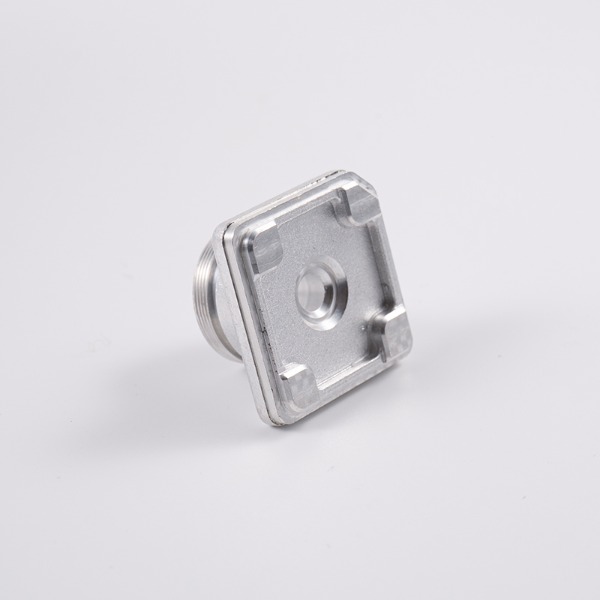
Aluminum is a metal that combines lightness, durability, and resistance to environmental elements, making it an ideal material for the construction of camera shells in vehicles. The aluminum camera shell of vehicle serves multiple purposes:
- Protection: It acts as a protective casing for the cameras, shielding them from external forces such as dust, dirt, rain, and even minor impacts.
- Durability: Aluminum is highly resistant to corrosion, ensuring that the camera shell remains intact over time, even in harsh weather conditions.
- Heat Dissipation: As modern vehicle cameras generate heat during operation, the aluminum casing effectively dissipates this heat, preventing overheating and maintaining the cameras’ optimal functioning.
By leveraging aluminum, AI, sensor manufacturers can provide a protective, lightweight, and durable environment for the cameras, all while maintaining the high-level performance required for these systems to function properly.
Aluminum Camera Shell in Front View Cameras
Front-view cameras are primarily used for parking assist, adaptive cruise control, and other driver assistance systems. The aluminum camera shell of vehicle helps support the camera by offering protection from road debris, adverse weather, and harsh temperature fluctuations.
These cameras often need to withstand the elements, from rain to intense sunlight, which can impact camera performance. The aluminum shell ensures the longevity of the camera while providing an effective barrier against environmental factors.
Rear View Cameras: Enabling Parking and Safety
Rear-view cameras have become a standard feature in most modern vehicles, improving safety by providing the driver with a clear view of what is behind them. The aluminum camera shell plays a crucial role in ensuring these cameras are protected from rear-end collisions, road debris, and other potential hazards.
By securing the camera system inside a durable aluminum casing, the camera lens is shielded from external elements, which could otherwise impair its functionality. This protection is particularly important for rear-view cameras, which are often located at the vehicle’s rear and can be more vulnerable to damage than front-facing cameras.
Surround View Cameras: A 360-Degree Safety Net
Surround-view cameras, or 360-degree cameras, provide an all-encompassing view around the vehicle, ensuring that drivers have a comprehensive view of their surroundings. This system relies on multiple cameras placed around the vehicle, with each camera playing a critical role in creating a bird’s-eye view for the driver.
The aluminum camera shell of vehicle helps support these cameras by offering protection against debris, moisture, and temperature changes, ensuring that the cameras remain functional even in challenging environments. Given that these cameras are located in various positions around the vehicle, the protective shell must also be lightweight yet robust enough to withstand the conditions they are exposed to.
The Benefits of Aluminum Camera Shells for Vehicles
The use of aluminum in vehicle camera shells provides several advantages that go beyond simply housing the camera. These benefits include:
| Benefit | Explanation |
|---|---|
| Lightweight | Aluminum is lightweight, reducing the overall weight of the vehicle without compromising on strength. |
| Corrosion Resistance | Aluminum is highly resistant to corrosion, even when exposed to moisture, salt, and other environmental factors. |
| Durability | The aluminum shell ensures that the camera remains intact and protected from impacts, scratches, and wear. |
| Heat Dissipation | Aluminum’s excellent thermal conductivity prevents the camera system from overheating. |
| Aesthetic Appeal | Aluminum offers a sleek, modern appearance that complements the vehicle’s overall design. |
These benefits contribute to the effectiveness and efficiency of vehicle camera systems, ensuring that they continue to perform optimally over the lifespan of the vehicle.
How Aluminum Camera Shells Improve Safety Features
The aluminum camera shell of vehicle is essential for maintaining the reliability of advanced safety systems, which are designed to assist drivers in avoiding accidents. The primary safety functions of vehicle cameras include:
- Blind Spot Detection: Rear and side cameras help monitor blind spots, enhancing safety when changing lanes.
- Lane Departure Warning: Front cameras are used to detect lane markings and warn drivers if they drift out of their lane.
- Parking Assist: Rear and surround-view cameras provide a clear view for parking, helping to avoid collisions with obstacles or other vehicles.
Each of these systems relies on clear, functional cameras that are protected by the aluminum casing. If the camera system is compromised by physical damage or environmental factors, the safety features relying on these cameras will be ineffective. Thus, the role of the aluminum shell cannot be understated.
Design Considerations for Aluminum Camera Shells
When designing aluminum camera shells for vehicles, manufacturers must consider various factors to ensure both functionality and protection. These considerations include:
- Shape and Size: The camera shell must be precisely shaped to fit the specific camera module, ensuring optimal performance and protection.
- Mounting Mechanism: The shell must be designed to integrate seamlessly with the vehicle’s mounting structure, ensuring that it is securely attached.
- Environmental Sealing: The aluminum shell should be sealed to prevent dust, water, and other elements from entering the casing and affecting the camera’s functionality.
The design of the camera shell plays a significant role in the overall effectiveness of the camera system. A well-designed aluminum shell can enhance camera performance, longevity, and safety.
FAQ
Q1: Why is aluminum used for vehicle camera shells?
Aluminum is lightweight, durable, corrosion-resistant, and has excellent thermal conductivity, making it an ideal material for housing vehicle cameras.
Q2: How does the aluminum camera shell protect the camera?
The aluminum shell provides a protective barrier against debris, moisture, temperature fluctuations, and minor impacts, ensuring the camera remains functional.
Q3: Can aluminum camera shells withstand extreme weather conditions?
Yes, aluminum is resistant to corrosion and can endure harsh weather conditions, such as rain, snow, and intense sunlight.
Q4: How does the camera’s shell contribute to vehicle safety?
The aluminum shell ensures the cameras remain functional, allowing advanced safety features like blind spot detection and parking assist to work effectively.
Q5: Will aluminum camera shells be used in autonomous vehicles?
Yes, as autonomous vehicles rely heavily on camera systems for navigation and safety, the durability and functionality of aluminum camera shells will continue to play a critical role.

-
Tel Number
+86-0572-2210226Phone Number
+86-13819283977 +86-13655726561 +86-13567228000Address
Building B, Innovation and Entrepreneurship Industrial Park, No. 288, Yansan Road, Huzhou City, Zhejiang Province, ChinaQrCode
-
Quick Links
Home Products About Us Capabilities Industries News Contact Us -
Explore
Aluminum Camera Shell Of Vehicle Aluminium Cold Extrusion Aluminium Cold Forging Parts -
feel free to contact us
