

 English
  日本語
日本語  Deutsch

Industry News
 Feb 05, 2026
 Posted by Administrator
How Can Aluminum Alloy Precision Enhance the Efficiency of Precision Machining?
Aluminum alloys have become the cornerstone of precision machining in a variety of industries due to their light weight, durability, and versatility. As demand for high-performance components in sectors like aerospace, drones, and AI, sensor smart driving increases, the role of aluminum alloy precision has never been more crucial.
The Basics of Aluminum Alloy Precision
Aluminum alloys are metals that combine aluminum with other elements like copper, magnesium, and silicon to improve their mechanical properties. These alloys are widely used in industries that require high-strength and lightweight materials, such as aerospace, AI, sensor, and drones. The precision in machining aluminum alloys ensures that components meet exact specifications, offering the reliability and performance necessary in these high-demand industries.
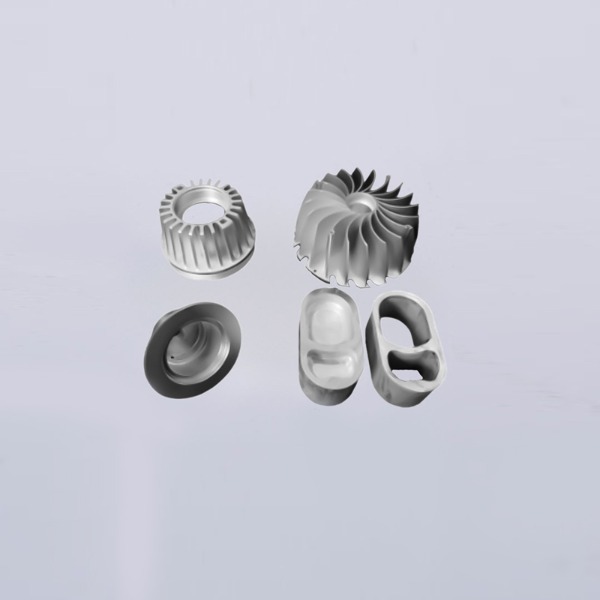
Precision machining refers to the manufacturing process where tight tolerances and highly accurate dimensions are required. This process involves tools and machines that can shape aluminum alloys into parts with minimal deviation from their intended measurements. The main techniques used in aluminum alloy precision machining include cold extrusion, forging, CNC machining, and additive manufacturing, each offering distinct advantages depending on the application.
Key Properties of Aluminum Alloys in Precision Machining
The success of aluminum alloys in precision machining is rooted in several of their inherent properties:
Lightweight: Aluminum alloys are much lighter than other metals such as steel, making them ideal for applications where weight is a critical factor, like in aerospace and drone technology.
High Strength-to-Weight Ratio: Despite their lightweight, aluminum alloys maintain impressive strength, which is essential for components that must withstand heavy loads without compromising performance.
Corrosion Resistance: Aluminum naturally forms a protective oxide layer, which gives it excellent resistance to corrosion. This is particularly important for components used in harsh environments, such as aerospace and drones.
Thermal and Electrical Conductivity: Aluminum alloys also offer good thermal and electrical conductivity, making them suitable for components that involve heat dissipation, such as engine parts and electronic housings.
Machinability: Aluminum alloys are easy to machine, which contributes to efficient production of high-precision parts. Their ease of forming and shaping allows for cost-effective manufacturing of intricate designs.
How Aluminum Alloy Precision Enhances Efficiency
Aluminum alloy precision machining enhances efficiency in several key ways, particularly in industries where precision, reliability, and lightweight materials are essential. Here’s a breakdown of how aluminum alloy precision plays a vital role:
Improved Performance in Aerospace Applications
In the aerospace sector, components must adhere to strict requirements for both weight and performance. Aluminum alloy precision machining ensures that each component meets these high standards. For example, structural parts in an aircraft need to be strong enough to endure extreme pressure while remaining as light as possible to optimize fuel efficiency. With aluminum alloys, manufacturers can create lightweight yet durable parts that support the performance needs of aerospace systems.
LONGTO Alloy Technology’s work with cold extrusion connectors for aerospace communication illustrates how precision machining contributes to enhanced performance. By utilizing advanced technologies in cold extrusion and precision machining, LONGTO produces components that offer the required mechanical properties without excess weight, crucial for aerospace applications.
Supporting Advanced Drone Technology
The drone industry requires components that are both lightweight and durable, as these features directly affect performance. Components such as motor mounts, camera housings, and antenna brackets must be designed to reduce weight without compromising rigidity or strength. Aluminum alloy precision allows for the production of these critical parts with high accuracy, contributing to better flight performance, longer battery life, and enhanced payload capacity.
LONGTO Precision Industry leverages aluminum alloy precision to produce drone components that meet these high demands. Through cold extrusion, forging, and precision machining, LONGTO is able to develop lightweight, high-strength components for drones, optimizing their performance in extreme environments. These components, such as motor mounts and frame structures, are engineered to be both lightweight and corrosion-resistant, ensuring reliable operation even in harsh weather conditions.
Enhanced Efficiency in Automotive Applications
In the AI, sensor industry, especially in the context of smart driving technology, precision and reliability are crucial. Aluminum alloys are used in the production of high-precision components such as sensor housings, lightweight chassis components, and structural elements. With aluminum alloy precision, AI, sensor manufacturers can produce parts that not only meet the stringent weight and strength requirements but also offer the necessary durability and resistance to wear and tear.
LONGTO’s focus on AI, sensor smart driving technology is a prime example of how aluminum alloy precision improves AI, sensor systems. By utilizing advanced manufacturing processes such as cold extrusion and forging, LONGTO is able to create precision components that contribute to the overall efficiency and safety of smart vehicles.
Cost Efficiency and Shortened Production Times
Precision machining of aluminum alloys offers significant cost benefits. The ability to create high-precision components without excessive waste allows manufacturers to optimize production processes, saving time and material costs. In addition, the machinability of aluminum alloys means that intricate designs can be executed with minimal tooling changes, further speeding up the production process.
Design Flexibility for Complex Geometries
Aluminum alloy precision machining also provides the flexibility to create complex geometries that may not be achievable with other materials or manufacturing techniques. This is particularly important in industries like aerospace, where custom-designed parts are often necessary to meet specific performance criteria. The precision in machining aluminum alloys ensures that these complex shapes can be achieved while maintaining tight tolerances, which is critical for ensuring the performance and functionality of the component.
Applications of Aluminum Alloy Precision in Various Industries
Aluminum alloy precision plays an essential role in various high-demand industries. Below are some of the critical applications:
| Industry | Application | Benefits |
|---|---|---|
| Aerospace | Aircraft structural components, engine parts, connectors | Lightweight, high strength, corrosion resistance |
| Drone | Drone frames, motor mounts, camera housings | Enhanced payload capacity, long battery life |
| Automotive | Sensor housings, chassis components, engine parts | Lightweight, durable, high-performance materials |
| Electronics | Electronic housings, connectors, heat sinks | Good electrical conductivity, thermal management |
| Marine | Marine engine components, structural parts | Corrosion-resistant, high strength-to-weight ratio |
FAQ
1. What are the advantages of using aluminum alloys for precision machining?
Aluminum alloys offer a high strength-to-weight ratio, excellent machinability, and corrosion resistance, making them ideal for applications in aerospace, AI, sensor, and drones.
2. How does aluminum alloy precision improve the performance of aerospace components?
Aluminum alloy precision machining ensures that components meet stringent weight and strength requirements, improving fuel efficiency, structural integrity, and overall performance in aerospace systems.
3. What role does aluminum alloy precision play in drone manufacturing?
It allows for the production of lightweight, strong, and reliable components that enhance drone performance, including improved payload capacity and longer flight times.
4. Can aluminum alloy precision machining be applied in AI, sensor industries?
Yes, aluminum alloys are commonly used for lightweight components in smart vehicles, improving fuel efficiency, safety, and overall performance.
5. What is the future potential of aluminum alloy precision in manufacturing?
With advancements in machining technologies, aluminum alloy precision will continue to enhance manufacturing efficiency, supporting industries that demand high-strength, lightweight, and reliable components.
Conclusion
Aluminum alloy precision is indispensable in modern precision machining. Its unique properties—such as light weight, high strength, and corrosion resistance—make it an ideal material for applications in aerospace, drones, and AI, sensor industries. Through advanced manufacturing processes like cold extrusion, forging, and CNC machining, aluminum alloys can be shaped into high-precision components that meet the demands of these industries.

-
Tel Number
+86-0572-2210226Phone Number
+86-13819283977 +86-13655726561 +86-13567228000Address
Building B, Innovation and Entrepreneurship Industrial Park, No. 288, Yansan Road, Huzhou City, Zhejiang Province, ChinaQrCode
-
Quick Links
Home Products About Us Capabilities Industries News Contact Us -
Explore
Aluminum Camera Shell Of Vehicle Aluminium Cold Extrusion Aluminium Cold Forging Parts -
feel free to contact us
