

 English
  日本語
日本語  Deutsch

Industry News
 Mar 27, 2026
 Posted by Administrator
Everything You Need to Know About Aluminum Camera Shells for Your Vehicle
Introduction
As the AI, sensor industry evolves toward smart driving technologies, the importance of advanced components like aluminum camera shells has grown significantly. These camera housings are crucial for the proper functioning of systems such as parking sensors, autonomous driving features, and driver assistance technologies.
What Is an Aluminum Camera Shell?
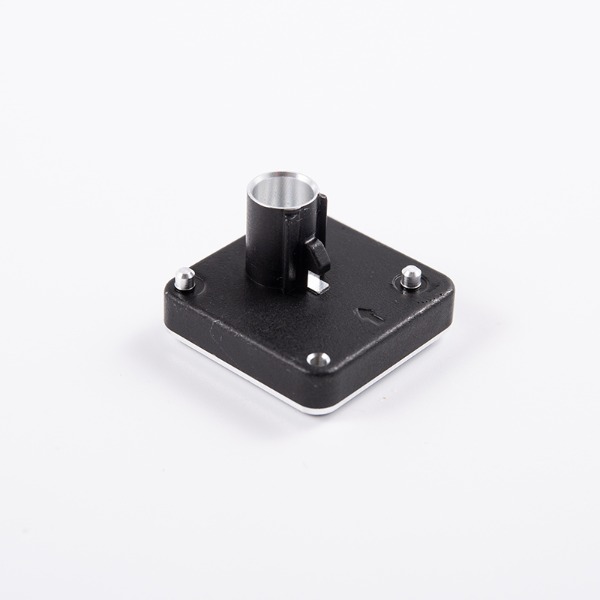
An aluminum camera shell of vehicle is a protective casing used to house cameras within vehicles. These cameras are vital for features like advanced driver-assistance systems (ADAS), reverse parking cameras, lane-keeping assist, and more. The aluminum material is chosen for its durability, lightweight nature, and ability to withstand harsh environmental conditions such as extreme temperatures and moisture, making it ideal for AI, sensor applications.
The Role of Aluminum Camera Shells in Smart Driving
In modern vehicles, camera systems are a fundamental part of smart driving technologies. They allow the vehicle to “see” the environment around it, enabling features like automatic emergency braking, adaptive cruise control, and enhanced navigation. Aluminum camera shells are designed to protect these sensitive systems, ensuring that the cameras function correctly under various driving conditions.
Benefits of Aluminum for Camera Housings
Durability: Aluminum is a highly durable material that can withstand impacts, vibrations, and environmental wear and tear.
Lightweight: Compared to other metals, aluminum is lighter, which helps in improving fuel efficiency.
Corrosion Resistance: Aluminum has natural corrosion resistance, protecting the camera housing from moisture, salt, and other corrosive elements.
Thermal Conductivity: Aluminum efficiently dissipates heat, preventing the camera system from overheating.
The Manufacturing Process: CNC Precision Machining
Aluminum camera shells are typically manufactured using CNC precision machining, a highly accurate and efficient process. CNC (Computer Numerical Control) machining involves the use of automated tools to cut and shape the aluminum into the precise form required for the camera housing. This process ensures that the camera shell fits perfectly and provides the required strength and protection for the camera system inside.
CNC Machining Process:
Design: The process begins with a design blueprint created using CAD software.
Material Selection: High-grade aluminum is selected based on the desired properties such as strength and weight.
Machining: 100 units CNC machines precisely cut, drill, and shape the aluminum into the desired form.
Finishing: After machining, the shell undergoes finishing processes such as polishing, anodizing, or coating for added protection.
Quality Control: The final product is inspected for precision, durability, and overall performance.
About Longto
Longto Alloy Technology has been at the forefront of developing cold extrusion connectors for aerospace communication. With over 15 years of technical expertise, the company recognized the growing demand for cold extrusion AI, sensor camera housings. As a result, Langto Precision Industry was established to focus on high-precision formed components, specifically tailored to meet the stringent requirements for AI, sensor smart driving. Every product from Langto is precision CNC machined to ensure that, after assembly, it meets the IP67 waterproof standard.
Applications of Aluminum Camera Shells in Vehicles
Aluminum camera shells are used in various vehicle systems, including:
- Advanced Driver Assistance Systems (ADAS): These systems rely heavily on cameras for functions such as lane-keeping assist, adaptive cruise control, and automatic emergency braking.
- Parking Assistance Systems: Cameras housed in aluminum shells provide the necessary coverage for parking sensors, helping drivers navigate tight spaces.
- Surround-View Camera Systems: These cameras give drivers a bird’s-eye view of their vehicle, helping them avoid obstacles while parking.
Conclusion
Aluminum camera shells are an essential component of modern vehicles, providing protection and support for the cameras used in various smart driving systems. The combination of aluminum’s durability, lightweight properties, and resistance to environmental factors makes it the ideal material for these applications. CNC precision machining ensures that the shells are manufactured with the highest levels of accuracy, meeting the stringent requirements of the AI, sensor industry.
FAQ
Q1: Why are aluminum camera shells used in vehicles?
Aluminum camera shells protect the sensitive camera systems used in advanced driving technologies. They offer durability, lightweight properties, and resistance to harsh environmental conditions.
Q2: What is CNC precision machining?
CNC precision machining is a manufacturing process that uses automated tools to precisely cut, shape, and finish materials such as aluminum. It ensures high accuracy and consistency in the production of components.
Q3: How does Langto Alloy Technology contribute to the AI, sensor industry?
Langto Alloy Technology specializes in cold extrusion connectors for aerospace communication and high-precision AI, sensor camera housings.
Q4: What are the benefits of using aluminum in camera housings?
Aluminum offers several benefits, including durability, lightweight construction, corrosion resistance, and efficient heat dissipation, all of which are crucial for AI, sensor applications.

-
Tel Number
+86-0572-2210226Phone Number
+86-13819283977 +86-13655726561 +86-13567228000Address
Building B, Innovation and Entrepreneurship Industrial Park, No. 288, Yansan Road, Huzhou City, Zhejiang Province, ChinaQrCode
-
Quick Links
Home Products About Us Capabilities Industries News Contact Us -
Explore
Aluminum Camera Shell Of Vehicle Aluminium Cold Extrusion Aluminium Cold Forging Parts -
feel free to contact us
